Options for Rubber Flooring
Rubber flooring is one of the most popular types of floors we offer at Greatmats. It’s a versatile material that’s available at a favorable price while offering significant longevity. It’s made to cover large areas in a warehouse or fitness center, small rooms in a home or commercial building, and many places in between.
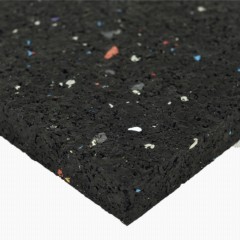
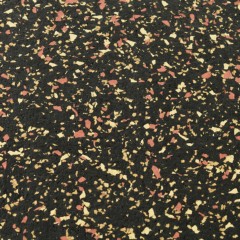
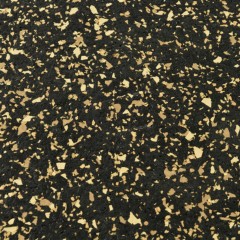
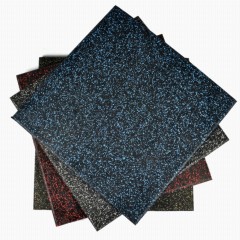
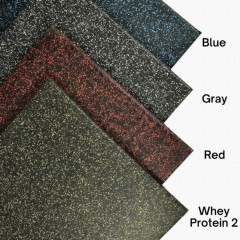
Some people might consider a rubber floor to be boring because it’s primarily available in black. However, some rubber floors have color flecks embedded in the black or offer base colors that create a more interesting design. Rubber flooring and boring might rhyme, but they don’t have to go hand-in-hand. At Greatmats, we have hundreds of rubber flooring products to meet your specific needs for practicality, value … and a pleasing visual design.
Types of Rubber Floor Products
At Greatmats, we offer three primary types of rubber flooring formats for home or commercial use.
Rolls
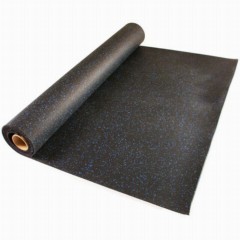
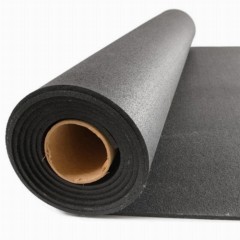
Rubber rolls are an ideal format for quickly covering a large area at an economical price. They’re usually 1/2 of an inch or less in thickness, which reduces weight and makes them a little easier to handle. All-black or black with color fleck designs are available.
Tiles
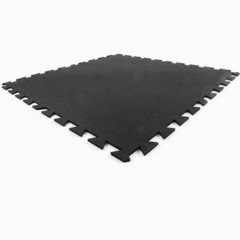
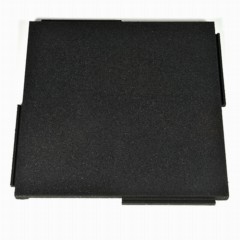
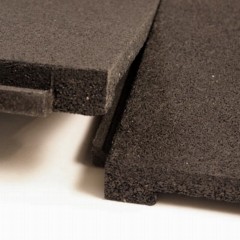
Rubber tiles are available in a smaller format (such as 1-by-1 foot) that makes them easier to handle. If they have interlocking edges, you can install them without having to use glue. Tiles with flat edges can be glued in place for a secure installation.
Mats
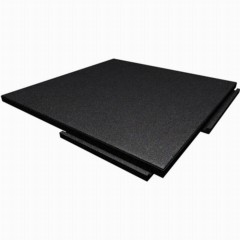
Rubber mats have a specific coverage size, such as 4-by-6 feet. They’re useful for placing in areas where you need extra traction or protection for the existing floor or ground, such as under a weight bench in a gym or at the end of a slide on a school playground. Thick livestock mats can create a sturdy floor for a horse stall in a barn, too.
Usage Types for Rubber Flooring
By understanding the most common reasons people use rubber flooring, it’s easier to see the various benefits these products offer.
Home
Rubber floor mats for home use are beneficial in areas where you need a non-slip flooring option, such as a mudroom or laundry room. Tiles are a popular format choice for use in a residential setting, as they allow for a DIY installation, if desired.
Commercial and Industrial
Industrial and
commercial rubber floor products are ideal in areas where you need to cover a big space at a reasonable price. Most commercial and industrial customers select rolls for this use case. They can stand up to temperature variations and significant weight without showing damage.
Gym
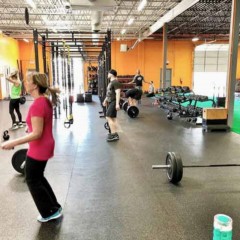
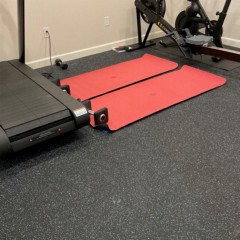
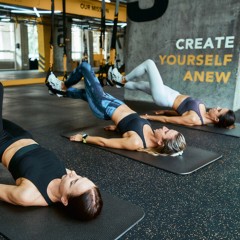
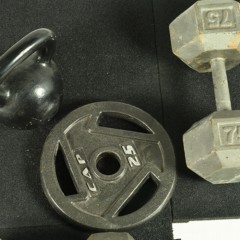
Rubber gym flooring is ideal for weightlifting areas and underneath exercise equipment to protect the subfloor. It provides a little cushioning to protect the lower body joints of athletes, it serves as a thermal barrier against a cold concrete floor for ground-based workouts, and it delivers noise suppression. Rubber is an ideal flooring for both home and commercial gyms.
Horse Stall
If you have a livestock barn with horses, a kennel area with dogs, or another area with animals, rubber floor products can protect these animals by creating a cushioned surface where they can rest. Rubber won’t show damage from the weight or claws of these animals. Rubber matting is also easy to clean. Veterinarian offices may install rubber floors in exam areas for both large and small animals.
Deck and Patio
Some people choose to cover a deck or patio with rubber flooring. It stands up to harsh weather without showing damage while providing a slip-resistant surface. It has more cushioning than concrete, making the space more comfortable. Outfitting a rooftop deck with rubber flooring is an especially popular use case.
Playground
Playgrounds at schools, churches, parks, and backyards can use rubber mats in a variety of ways. Some people place thick mats under slides and swings to prevent ruts from forming. Some installers cover the entire playground in rubber mats and tiles to prevent children from slipping while they run and play. Should they fall, the rubber creates a safer landing area than concrete, mulch, or gravel.
How to Choose the Right Rubber Flooring
To figure out how to choose the right rubber flooring, start by considering how you want to use it.
Thickness
A thicker material is better for supporting large amounts of weight in a gym. Thinner material costs less and is better for managing workouts that don’t require heavy equipment.
Coverage Areas
For large coverage areas, consider rolls of rubber to do the job quickly and economically. Tiles are easier to install in a small room, while mats are useful for adding extra protection or support in a specific area of a room or playground.
Liquid Resistance
Vulcanized rubber is waterproof, meaning it won’t absorb liquids or allow bacteria to form. Recycled rubber products may slightly absorb liquids, but they offer a more cost-effective option than vulcanized materials.
Colors
Many types of rubber flooring products are only available in black, although some have color flecks embedded in the rubber to enhance the look of the material. Full-color rubber flooring products are available, too.
Rubber Flooring Q&A
What is rubber flooring?
Rubber flooring is a type of flooring material made from synthetic rubber, natural tree rubber, or recycled rubber. It’s a highly durable material for floors while remaining easy to clean and available for a reasonable price per square foot.
Rubber flooring rolls vs. rubber floor tiles: Which is best?
Deciding between
rubber flooring rolls or tiles usually comes down to the ease of installation and the thickness level you need. Rolls are heavy, so you may need professional help to maneuver them into place. (They may use thinner configurations to reduce overall weight.) The small size of tiles makes them easier to handle for a DIY installation. They can be available in several thickness measurements.
How do I get rid of the rubber mat odor?
Most new rubber mats have an odor resembling a new car smell that varies in intensity, although it’s usually far more noticeable indoors in smaller rooms than in well-ventilated rooms or outdoors. Cleaning the mats with a neutral pH cleaner and allowing them to dry outdoors in the sun is the fastest way to
reduce the odor of new rubber mats.
How do you clean a rubber gym floor?
To
clean a rubber gym floor, start by sweeping dry debris and dust. Use a mop to apply a neutral pH cleaner to the rubber and allow it to air dry. Some people will use a scrubbing machine to clean rubber floors more thoroughly.
When would you use rubber flooring in a residential setting?
Many customers
use rubber flooring in a residential setting in areas where they need maximum traction or significant durability. Some people use it in a playroom, basement, home gym, man cave in a garage, laundry room, or outdoor play area.




 $246 /sqft You Save 19%Shop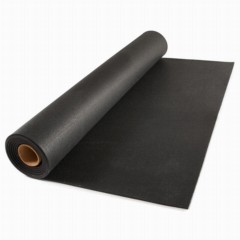
 $291 /sqft You Save 20%Shop
 $150 /sqft You Save 19%Shop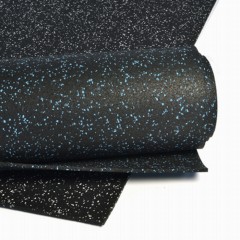


 $242 /sqft You Save 20%Shop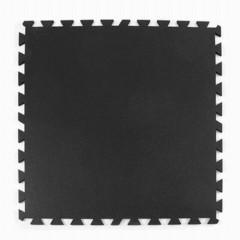
 $1310 /Tile You Save 19%$1.59/sqftShop

 $3409 /Tile You Save 19%$8.52/sqftShop
 $327 /sqft You Save 20%Shop


 $6093 /Tile You Save 19%$7.39/sqftShop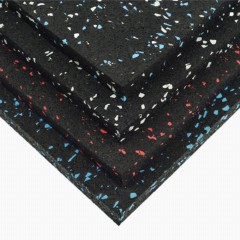


 $4119 /Tile You Save 20%$10.30/sqftShop