Options for Home Gym Flooring
Whether you’re converting a bedroom, basement, garage, attic, or utility room into a workout space at your house, you need the right home gym flooring to make the space functional and comfortable. You might need flooring that you can assemble and disassemble quickly if you’re using the space for more than one purpose. Some people need thick workout floors that protect the subfloor from damage.
Greatmats has products that fit all these scenarios, helping you create the perfect workout floor space. Whether you want maximum cushioning, an aesthetically pleasing space that keeps you motivated, or floors with padding that absorb noise from your workouts to avoid disturbing others in the house, we can help. We’re not telling you to cancel your expensive gym membership and start working out at home before talking to our customer service experts, but we’re confident you’ll arrive at that conclusion on your own after seeing our amazing collection of home workout flooring ideas.
Types of Flooring for a Home Gym
When you’re ready to buy home gym flooring, we have multiple formats available that will perfectly fit your needs.
Tiles
Tiles are a convenient size for a DIY installation. Many of them have secure interlocking edges that don’t need glue, further simplifying the installation process.
Mats
Gym floor mats work to add extra flooring thickness and cushioning in specific areas of the home workout space, such as under an area with free weights. Mats can give you extra traction where you need it, too.
Rolls
Rubber flooring for a home gym is available in a roll format, letting you cover a large space quickly. Thicker rolls might not need glue or tape to hold them in place, but thinner rolls probably do.
Best Materials for Home Gym Flooring
At Greatmats, we carry multiple materials that are popular selections for home gym flooring, depending on the types of workouts you’re planning to do.
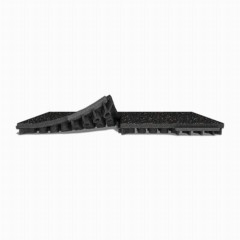
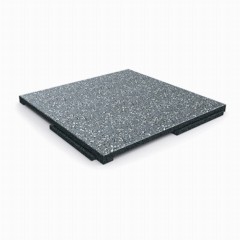
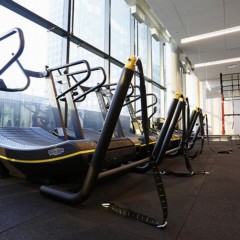
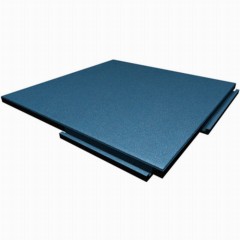
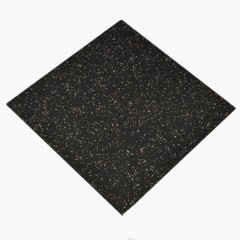
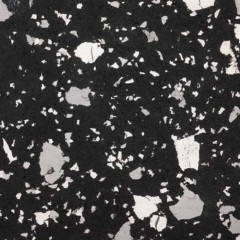
- Rubber: Rubber gym mats are useful over concrete in a basement or garage when creating a home workout space. This material offers thermal protection, noise absorption, and subfloor protection. We offer Gmats Interlocking Rubber Tiles with a puzzle-style edge and Greatmats Rubber Flooring Rolls in a convenient 4-by-10-foot size.
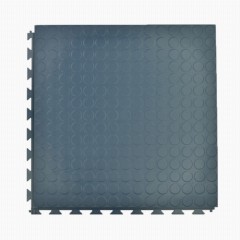
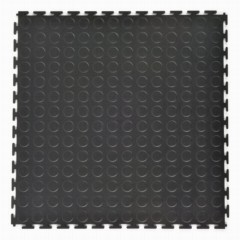
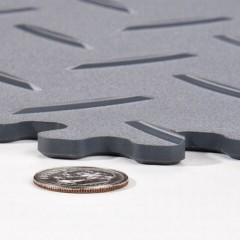
- PVC Plastic: PVC plastic home gym tiles are extremely popular because they’re easy to install and provide sturdy flooring over almost any type of surface. Our StayLock Bump Top Tiles are popular because of the versatility they offer for any kind of workout. They are colorful and offer excellent traction.
- Foam: EVA foam home gym tiles are easy to install and offer maximum cushioning to keep you comfortable during your workouts. Our Gym Floor Workout Tiles have a pebble top that maximizes cushioning and traction, while our Home Sport and Play Mats offer a reversible design, giving you two colors on each side.
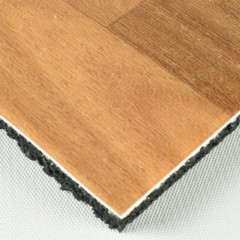
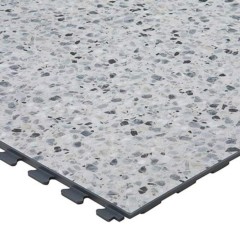
- Vinyl: Vinyl home gym flooring adds a bit of extra style to your workout space. Several solid color options are available, as are designs that resemble wood. Our G-Floor Exercise Equipment Mats provide a slip-resistant texture under exercise equipment. To cover a small space, our Max Tile Raised Floor Tiles have a plastic interlocking base and a vinyl top layer that resembles wood. To cover a larger space, consider our Athletic Vinyl Padded Rolls, which have a rubber base layer for cushioning and a commercial-quality top layer to keep the vinyl looking great after tough workouts.
- Carpet: Don’t dismiss carpet as a comfortable, durable workout flooring option. Our home gym carpet tiles include our Modular Carpet Squares, which use a hard plastic interlocking base with carpeting over the top. Our Dominator LP Gym Carpet Tiles are made to withstand busy foot traffic patterns during workouts.
- Turf Tiles: For artificial turf home gym tiles, you can install them indoors to create a sled workout area or spaces for speed workouts. Our RageTurf Rally Tiles use an interlocking edge that doesn’t require glue, simplifying the installation process.
Features and Benefits of Flooring for a Home Gym
Some of the biggest benefits and most important features found in home gym floor mats and products from Greatmats include:
- Long-lasting performance
- Made to stand up to tough workouts
- Added cushioning over concrete
- Protection against moisture
- Traction to guard against slips
- Works for temporary or permanent installations
- Noise-absorbing properties
- Easy to clean and maintain
- Soft surfaces for ground-based workouts
- Frequently works for a DIY installation
- Some gym padded flooring withstands weightlifting workouts
Home Gym Flooring Use Types
Some of the use cases our customers employ after they buy our gym mats for home include:
- Free weights
- Kettlebells
- Dumbbells
- Weight machines
- Stationary bikes
- Rowing machines
- Step machines
- Treadmills
- Aerobics
- Yoga
- Bodyweight exercises
Home Gym Flooring Q&A
How thick should gym flooring mats be at home?
The
ideal thickness for home gym flooring mats depends on the workouts you’re doing. For exercise machines or bodyweight exercises, measurements of 1/4 of an inch or thicker will work. For weightlifting workouts with free weights, you need mats between 1/4 and 2 inches, depending on the amount of weight involved. Whether you’re intentionally dropping the weights or need noise reduction also plays a role in the recommended thickness measurement.
What are the best budget home gym floors?
The
best budget home gym flooring includes foam mats, rubber mats, and rubber rolls. Thicker flooring provides more cushioning and lasts longer, but thinner floors will cost less.
What is the best home gym flooring to go over carpeting?
The
best home gym flooring to go over carpeting needs to be firm enough to avoid sinking into the carpet fibers and cause the flooring’s seams to pull loose. Flooring that consistently creates a sturdy surface over low-pile carpeting includes StayLock-branded PVC plastic tiles.
Is rubber or foam the better option for home gym flooring?
When
comparing your home gym flooring options, rubber and foam are popular choices. Rubber offers durability and stands up to significant amounts of weight and rough treatment. Foam delivers maximum cushioning in a lightweight design that’s easy to install. Foam tiles often have multiple colors available, while rubber rolls can quickly cover a large area.
What are the best exercise and workout mats for a garage?
When creating a home gym in your garage, you need
high-quality workout mats made for a garage to make the space usable. Foam works nicely over a concrete garage floor because it offers cushioning and some thermal protection. Rubber is also a popular choice, as it protects the subfloor from dropped weights while offering maximum durability.



 $6450 /Tile You Save 19%$16.13/sqftShop


 $5897 /Tile You Save 18%$14.74/sqftShop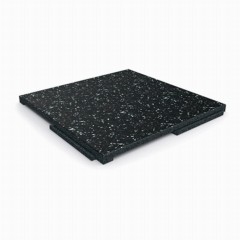


 $6081 /Tile You Save 19%$15.20/sqftShop
 $4239 /Tile You Save 18%$10.60/sqftShop


 $4976 /Tile You Save 18%$12.44/sqftShop


 $1604 /Tile You Save 20%$4.01/sqftShop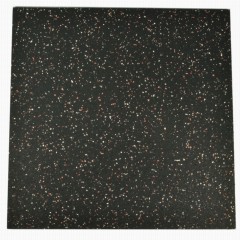


 $1006 /Tile You Save 20%$2.52/sqftShop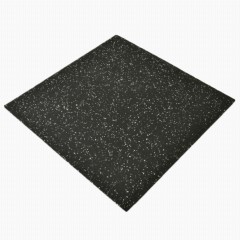
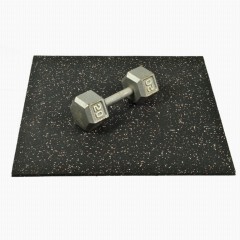

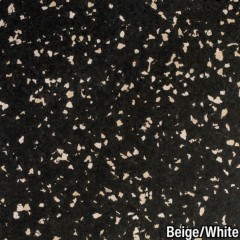


 $1604 /Tile You Save 20%$4.01/sqftShop
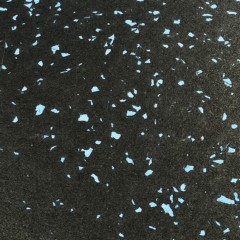


 $1622 /Tile You Save 20%$4.18/sqftShop


 $1699 /Tile You Save 20%$4.38/sqftShop


 $2265 /Tile You Save 19%$10.44/sqftShop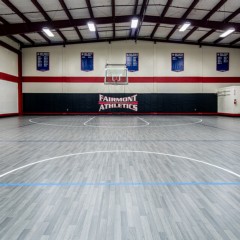


 $1,56643 /Roll You Save 20%$8.70/sqftShop


 1 reviews
•2 Colors
$8043 /Carton You Save 27%$3.87/sqftShop
1 reviews
•2 Colors
$8043 /Carton You Save 27%$3.87/sqftShop


 $7764 /Carton You Save 27%$4.71/sqftShop


 $11360 /Carton You Save 15%$10.10/sqftShop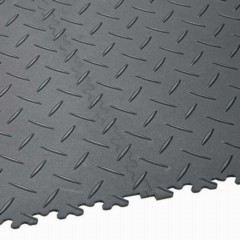


 $12980 /Carton You Save 15%$4.01/sqftShop





