Whether you’re setting up an area to do workouts at home or you need to address a huge space at a fitness center, it’s important to select the right gym flooring material to match the types of planned activities. Some workouts need more cushioning to protect athletes, while others require maximum durability to protect the subfloor from damage.
At Greatmats, we have gym floors to match any use case you have in mind with price points that will fit your particular budget. We carry flooring in many thicknesses and textures to match your plans for the space. When you want to focus on gaining the most benefit from your workouts, rely on Greatmats to help with your flooring choice and take any complexity and worry out of the equation. (Save your worry for whether you can set a new PR for reps on the bench press!)
Gym Floor Use Types
Our lineup of gym flooring products is extremely versatile, meaning we can help you find the ideal floors for whatever activities you have in mind.
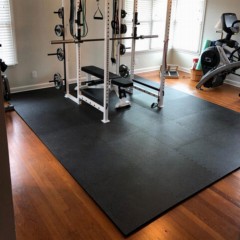
Home Gym Flooring
The right
home gym flooring helps you turn a spare bedroom, attic, basement, garage, or similar room into a workout space that’s safe and lets you maximize your workout results.
Commercial Gym Flooring
Commercial gym floors are made to stand up to frequent workouts and heavy exercise equipment while maintaining a look that impresses customers at your fitness center.
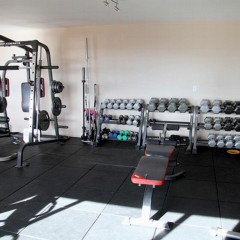
Weight Room Flooring
If you enjoy using free weights or heavy weight machines, you need
weight room flooring that cuts down on noise generation, protects the subfloor, and provides the traction required to give you leverage.
Outdoor Gym Flooring
When you want to do workouts in the elements, you need
outdoor gym flooring that stands up to sun, rain, and other tough weather without showing unwanted wear or becoming slick.
Cross Fitness Flooring
Cross fitness training is a challenging workout option, and you need
cross fitness flooring that can manage the required intensity. Our options deliver traction and cushioning to help you maximize your results.
Yoga Studio Flooring
Yoga studios need floors that look amazing without sacrificing functionality. Our
yoga studio flooring offers style, durability, and cushioning, while reducing your maintenance requirements.
Gym Flooring Materials
Not all gym flooring is made equal. Match the different materials found in gym floor products with your planned workouts to gain maximum results.
Rubber
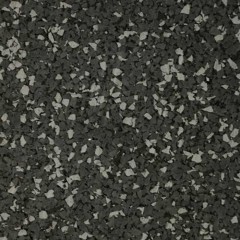
Rubber gym flooring is a popular choice, as it offers maximum durability and traction. Thicker rubber successfully protects the subfloor from heavy weights.
Foam
Foam gym flooring is the right choice for ground-based workouts or areas where you need maximum protection against falls, such as martial arts workouts. It offers multiple colors and texture options.
Turf
Artificial
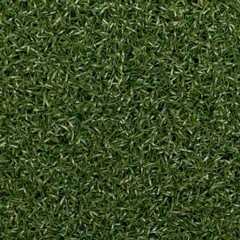
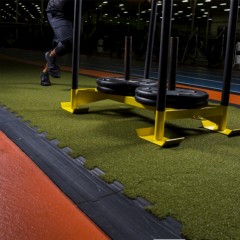
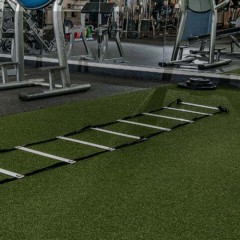
turf gym flooring is ideal for team sports, but it works nicely for sled or sprint workouts, too. Some designs have cushioned foam and rubber bottom layers to improve comfort for athletes.
Carpet
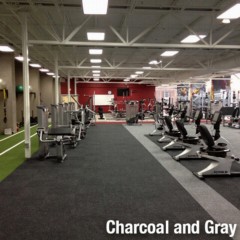
Gym carpet is an ideal choice for a workout space that will be used for other purposes. Carpet is a common choice for yoga, gymnastics, and cheerleading studios.
PVC
PVC plastic gym flooring is a popular selection, as it offers some of the cushioning properties of foam and some of the durability of rubber. Multiple colors and textures are available.
Vinyl
Vinyl gym flooring is a common choice in spaces that feature basketball or volleyball courts. Vinyl tiles or rolls that look like hardwood are especially popular for this setup.
Styles of Gym Floors – Tiles vs. Rolls vs. Mats
When installing gym flooring, you can select among tiles, rolls, or mats.
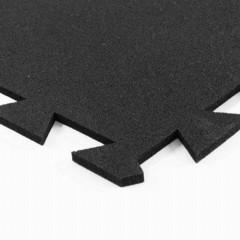
- Gym floor tiles can have interlocking edges that simplify a dry-lay installation. They may also have a straight-edge design that requires a glue-down installation for more permanency.
- Gym floor rolls cover a large space quickly. However, you’ll almost certainly need to glue them to the floor, meaning they’re tougher to install yourself than tiles.
- Gym floor mats deliver extra cushioning or wear protection for floors in areas where they’re needed.
Pros and Cons
Different gym floor styles offer various advantages and disadvantages.
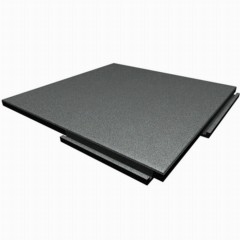
- Interlocking gym tiles are easy to install yourself and can be removed to return to the original subfloor at any time. However, they can have a higher cost per square foot of coverage than other options.
- Gym rolls offer a low cost per square foot and give you a uniform look for the gym floor. However, you might have to hire a professional to help with installation.
- Gym mats are ideal for specific use cases, such as in areas where you need more cushion for individual workouts. However, some designs have a higher cost per square foot, so you may want to limit how often you use them.
Best Use Cases
Each material has certain use cases where it outperforms the other options.
- Interlocking gym tiles are ideal to use in places where you may need to disassemble the tile installation and return to the subfloor in the future.
- Gym rolls offer a permanent type of flooring when you have a large space to cover without breaking the bank.
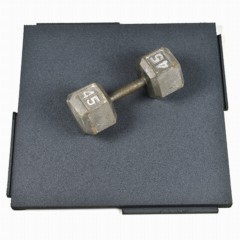
- Use gym mats in areas where you need extra cushioning against falls or protection for the subfloor from damage from exercise equipment or free weights.
Cost Comparison
Costs vary among each type of gym flooring, so it’s helpful to understand what you may spend with each option when setting your budget.
- Interlocking gym tiles have a mid-range price compared to rolls and mats. Some tiles (usually consisting of foam) are priced far lower than average, though.
- Gym rolls tend to have the lowest cost per square foot of coverage, although you might have to hire a professional to install them.
- Because of their specialized use cases, you will typically pay more for gym mats than for rolls or tiles. However, because you probably won’t be covering the entire space with mats, the total cost should be reasonable.
Best Selling Gym Floor Products
Here is a comparison of some of the most popular gym floor products we offer at Greatmats.
Category |
Product |
Thickness |
Material |
Installation |
Usage Types |
Price Range |
Best for Home Gyms |
Pebble Workout Fitness Tiles |
20 mm (about 3/4 inches) |
EVA Foam |
Interlocking Tiles |
Under exercise equipment, with hand weights, and for impact workouts |
$ |
Best for Heavy Lifting |
Sterling Athletic Sound Rubber Tiles |
2 or 2-3/4 inches |
Rubber |
Interlocking Tiles (glued) |
Free weights, Olympic weightlifting, and large exercise machines |
$$$ |
Budget Pick |
Regrind Rolled Rubber Sport |
3/8 inches |
Rubber |
Roll (glued or taped) |
Spin cycling, exercise equipment, and general workouts |
$ |
Top Rated |
StayLock Bump Top Tiles |
9/16 inches |
PVC Plastic |
Interlocking Tiles |
Aerobic workouts, exercise equipment, hand weights, and general workouts |
$$ |
Benefits of Gym Flooring
Gym flooring offers multiple benefits for gym spaces at home, commercial fitness centers, school workout rooms, and similar locations.
Shock Absorption
Gym floors have an ideal mixture of cushioning and firmness, creating a comfortable space for athletes doing long workout sessions. Our flooring products protect the lower body joints of athletes.
Floor Protection
When using free weights that may crash to the ground or heavy exercise equipment that may slide around, our gym floor products protect the subfloor from damage.
Noise Reduction
Whether you have a workout space at home or in a commercial building with other tenants, it’s important to keep noise to a minimum. Our flooring reduces the impact of sound from weightlifting or exercise machines.
Slip Resistance
Athletes want a sure footing they can trust when doing tough workouts. When lifting weights, athletes need to use the floor to generate leverage. Our gym flooring provides the necessary slip resistance and traction.
Easy Installation
At Greatmats, we specialize in carrying gym flooring products made for DIY installations, saving you money. We also have some products that you may want professionals to install for you for a permanent gym flooring solution.
Long-Lasting Durability
Our gym floor products have manufacturer warranties associated with them, giving you confidence that they’re made to last and will provide a good long-term investment. Even when you subject them to tough workout conditions, they’ll continue to function as intended and look great.
Gym Flooring Q&A
How do you clean rubber gym floors?
To
clean rubber gym flooring, remove dust and debris with a broom or a gentle vacuum. You can then use a neutral pH cleaner with a mop for a deeper cleaning and to remove stains.
What are gym floors made of?
The
materials found in gym floors can include rubber, foam, and PVC plastic. Some people prefer polypropylene plastic or vinyl for basketball and volleyball. Others like durable carpeting for covering hard subfloors with a stylish material.
How thick should gym flooring be?
The
proper thickness for gym flooring depends on the activities you have planned, the weight of the equipment in use, and the need for cushioning. Common thicknesses are 1/2 or 3/4 inches, but people can use thicknesses from 1/4 to 2 or more inches.
How do you install gym floor tiles?
Learning
how to install gym floor tiles depends on the design of the tile you’ve purchased. Some tiles have snap-together edges that fit tightly without needing glue, while others have straight edges that require a glue-down technique.
Can you put gym flooring on carpet?
Placing gym flooring over carpeting is possible when you select the right product from Greatmats. The tiles need to be sturdy enough to prevent you from sinking into the carpet and causing the interlocking edges of the tiles to separate. Certain gym flooring designs may need a subfloor between the tiles and the carpet.


 $825 /Tile You Save 41%$2.13/sqftShips Out in 1-3 Working DaysShop
 $3876 /Tile You Save 20%$9.69/sqftShop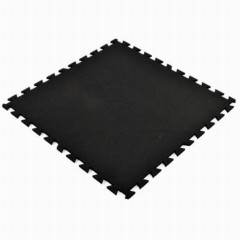
 $4889 /Tile You Save 19%$5.93/sqftShop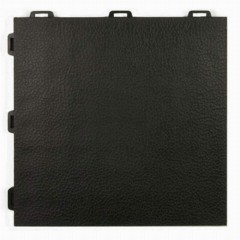
 $625 /Tile You Save 26%$6.25/sqftShips Out in 1-3 Working DaysShop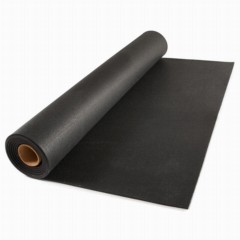
 $291 /sqft You Save 20%Shop
 $3593 /Tile You Save 19%$8.98/sqftShop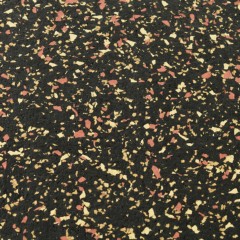
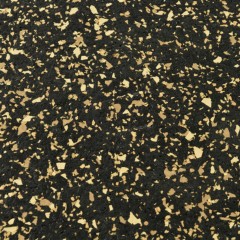


 $6093 /Tile You Save 19%$7.39/sqftShop
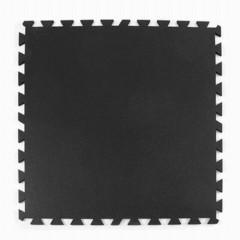
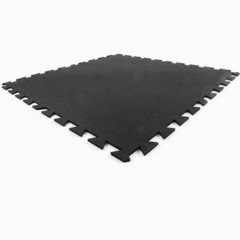
 $1310 /Tile You Save 19%$1.59/sqftShop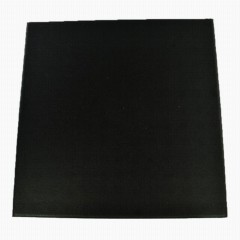
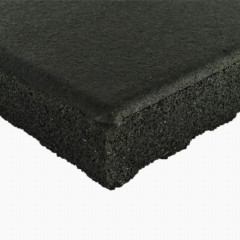
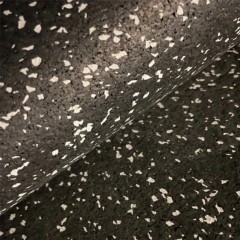
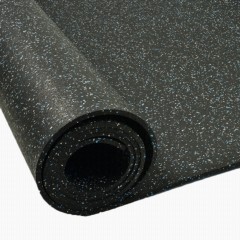


 $260 /sqft You Save 20%Ships Out in 3-5 Working Days SustainableShop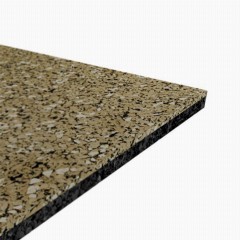


 $754 /sqft You Save 19%Shop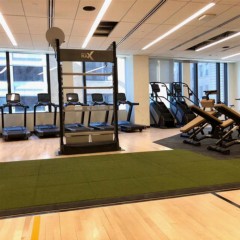
 $6185 /Tile You Save 19%$15.46/sqftShop
 $4699 /Tile You Save 18%$11.75/sqftShop


 $7114 /Tile You Save 20%$9.68/sqftShop


 $19634 /Tile You Save 20%$20.69/sqftShop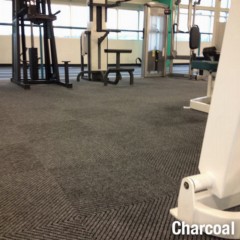


 $19766 /Carton You Save 16%$3.66/sqftShips Out in 4-6 Working Days SustainableShop





