Options for Rubber Basement Flooring
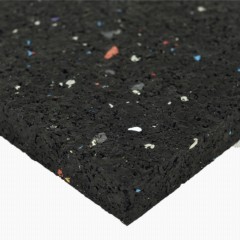
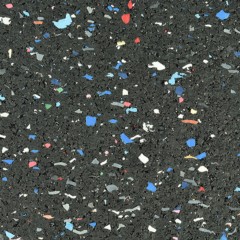
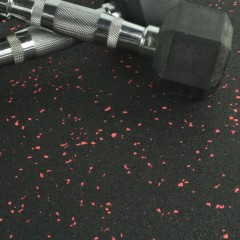
If you believe all rubber flooring is boring and only comes in black, our team at Greatmats is ready to convince you to change your mind. Our rubber basement flooring is available in various formats, including options with color flecks.
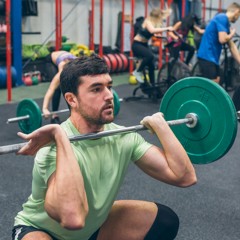
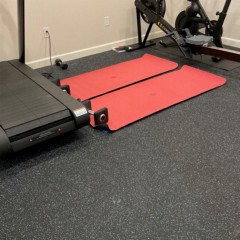
Rubber offers a protective thermal barrier that reduces the effects of a cold concrete floor in a basement. It also provides some cushioning when people and kids are exercising in a home gym or just sitting, playing, or working in the basement. Rubber fits over a concrete or dirt subfloor without compromising its integrity. Best of all, it’s an inexpensive option that lets you keep your basement remodeling project on budget or gives you extra money to use in other areas.
Types and Styles of Rubber Flooring for a Basement
You can select from a few different types of basement rubber flooring designs. Think about how you want to use the space, and our Greatmats customer service team can help you pick the best possible style.
Interlocking Tiles
Interlocking tiles use puzzle-style edges that allow for a simple DIY installation. These edges pop together without needing adhesive. Our
Interlocking Rubber Floor Tiles offer color flecks against the black base color, improving the design.
Straight-Edge Tiles
With straight-edge rubber tiles, you receive a cleaner look in the final layout than with puzzle-style edges. However, you’ll need to glue the tiles to the subfloor. Our
Black Straight Edge Rubber Tiles deliver a timeless look in the final flooring layout with clean, straight lines.
Quad Blok Tiles
Quad Blok tiles feature a hidden connection system that holds them in place. The Quad Blok tiles use adhesive on the connector piece, which keeps the tiles connected without having to adhere them to the subfloor, creating a floating floor. Our
UltraTile Rubber Weight Floor Tiles are available in several different colors, and you don’t need to stick them to the subfloor.
Rolls
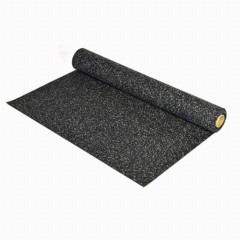
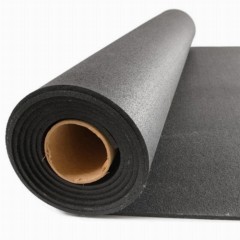
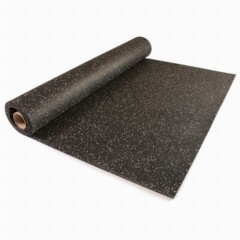
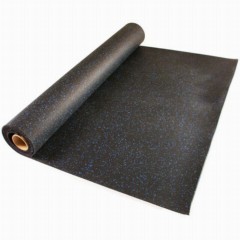
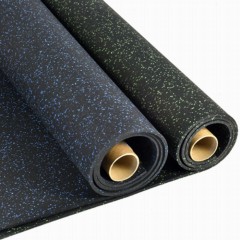
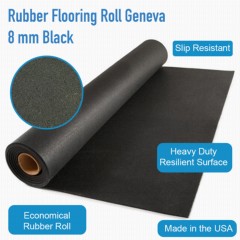
Rolls of rubber can cover the basement floor quickly and cost-effectively because of the coverage size they offer. They often require you to glue or tape them to the subfloor to hold them in place. Our
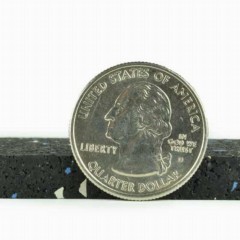
Geneva Rubber Flooring Roll is 3/8-inch thick, which provides the best possible mixture of cushioning and durability. It provides either a permanent or temporary installation option.
Features and Benefits of Rubber Basement Flooring
The key benefits and features found with rubber basement flooring tiles include:
- Some products use eco-friendly, recycled rubber
- Not all products require adhesive
- Thicker rubber can support the weight of exercise equipment
- Delivers sound and shock absorption
- Gives athletes a restored physical energy
- Thin materials are easier to install
- Thicker materials are more durable
- Easy to clean and maintain
- Some products include color flecks
- Many tiles are made in the United States
- Some low-odor options are available
- Rubber basement flooring is budget-friendly
- Retains slip-resistance, even when wet
Use Types for Rubber Flooring for a Basement
Some of the best reasons to use rubber flooring products in a basement include:
- Home gym in a basement
- Storage area in a basement
- Living area in a basement
- Weight rooms
- Exercise areas
- Golf simulator practice areas
Rubber Basement Flooring Q&A
What are the top 5 rubber basement floors on a budget?
The
top rubber basement floors on a budget include rolls of rubber, straight-edge tiles, and interlocking puzzle-edge tiles. Thinner tiles and rolls are less expensive than thicker options.
Is rubber flooring good for basements, and what are the best qualities?
Rubber flooring is good for basements because of several different qualities, including durability, waterproof capabilities, comfort, versatility, and ease of installation. It can provide thermal protection over a cold concrete floor, too.
Is rubber basement flooring waterproof?
Rubber basement flooring can be waterproof when you’re using the right design and formula. The process to vulcanize rubber makes it more durable and helps it become waterproof. Recycled rubber products are water-resistant, but they aren’t completely waterproof without vulcanization.
What is the best waterproof flooring for flood zones in a basement?
The
best flooring for a basement that may flood includes options that will not soak up water, such as vulcanized rubber, PVC plastic, or closed-cell foam. They should be easy to disassemble in case of a flood. Raised tiles allow air to flow underneath the base level to help with the evaporation of the wet subfloor.
How do you install rubber flooring in a basement?
Learning
how to install rubber flooring in a basement starts with deciding what format you’re using. Interlocking tiles pop together at the edges without needing adhesive, allowing for a DIY installation job. Straight-edge tiles and rolls often need adhesive to hold them in place. Some of our straight-edge tiles use the Quad Blok connection system, meaning you don’t need to glue them to the subfloor. Large rubber mats should stay in place without glue because of their weight.


 $174 /sqft You Save 20%Shop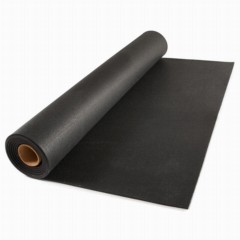
 $148 /sqft You Save 20%Shop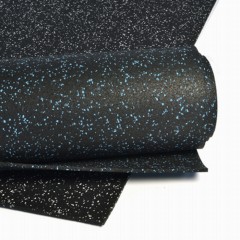


 $242 /sqft You Save 20%Shop



 $155 /sqft You Save 20%Shop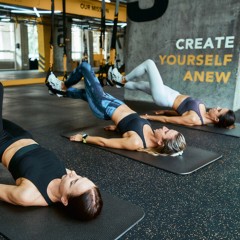


 $327 /sqft You Save 20%Shop

 $293 /sqft You Save 19%Shop


 $176 /sqft You Save 20%Shop
 $246 /sqft You Save 19%Shop
 $185 /sqft You Save 19%Shop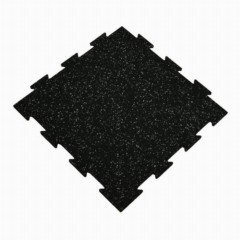


 $1042 /Tile You Save 19%$2.69/sqftShips Out in 7-10 Working Days SustainableShop