Where Is Wall Padding Used?






Related Product: Wall Pad 2x6 Ft WB LipTB ASTM
You may be familiar with pads on the walls in basketball, baseball, football, and other sports stadiums. However, many types of areas are appropriate for this style of padding.
Gym Wall Padding
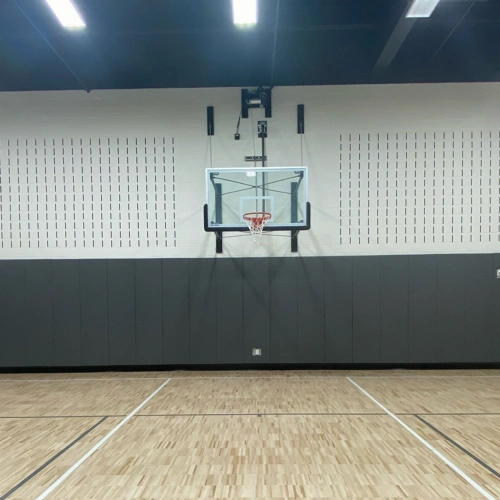
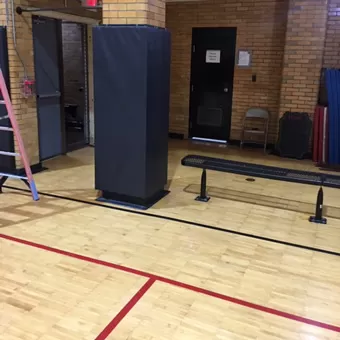
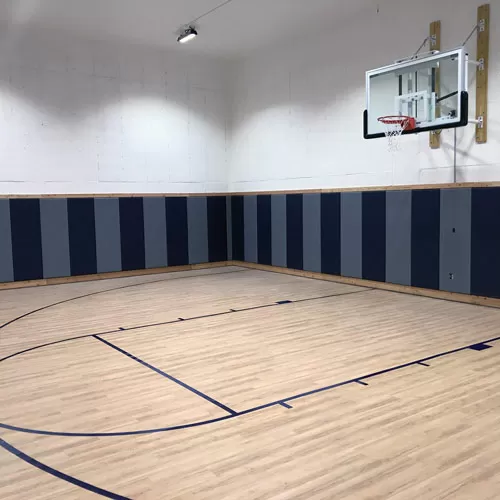
Adhering padded mats to the walls in a gymnasium is a common use case for this product. Basketball players driving hard to the basket may be fouled by a defensive player, causing a loss of balance. A panel of pads mounted underneath the basket protects players from crashing directly into a wall.
Some gyms and athletic facilities will choose to mount this style of foam padding around the entire perimeter of the gymnasium. The foam mats will fit against folded-up bleachers, posts, or stage fronts. This protects athletes and students participating in any activity inside the gym, such as volleyball games or physical education classes.
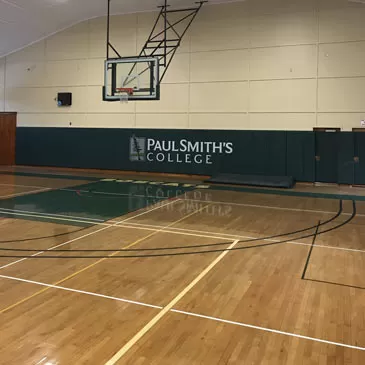
Schools and athletic teams appreciate the ability to personalize the wall padding. Matching team colors can dress up an older gymnasium, enhancing the excitement players and fans have for the game. Another option is to place logos of businesses on the pads, creating advertising space for those who financially support the teams.
Indoor track practice areas can use wall padding, too. Having a large pad at the end of a straightaway for sprinters allows them to reach top speed without having to worry about crashing into a hard wall at the end.
Where to Place Wall Padding: Padding placement will depend on the type of space and the sports that will be played:
- Basketball - Install padding behind the backboard at a minimum. For increased protection, it’s best to also install padding along the walls near the baseline.
- Volleyball courts - Install padding along the end lines and near player benches where the risk of collisions is higher.
- Indoor soccer/futsal - Install padding on the perimeter walls, especially when the walls are close to the field of play.
Outdoor Stadium Padding
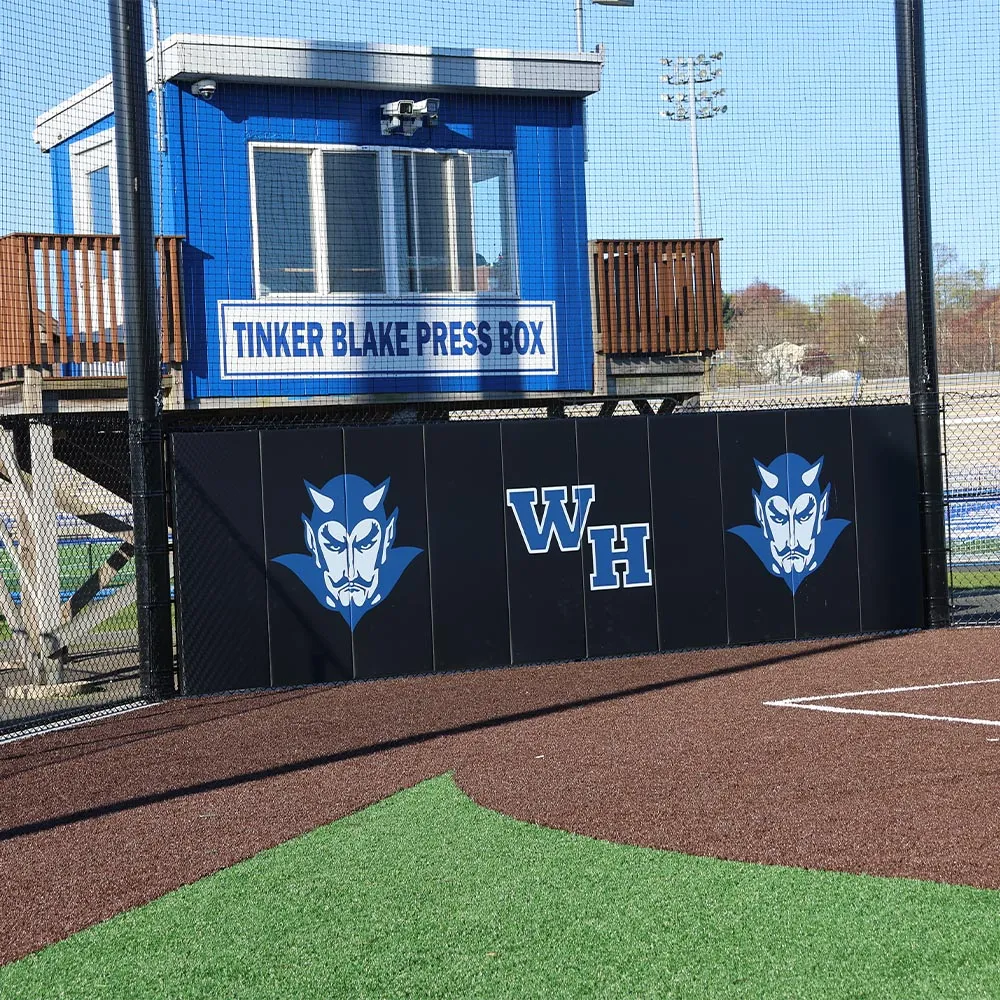
An older football or soccer stadium may not have much open space around the borders of the field. For these tight spaces, using outdoor padding can keep players safe, should they crash into a fence or stadium wall while chasing a ball.
When searching for a type of pad to use in outdoor stadiums, you will want moisture-resistant wood built into the pad. This wood stands up to weather and gives the pad the sturdiness it needs to stay in place, no matter what kind of wall is behind it. A baseball or softball fence may consist of a chain link, for example, so the wood board delivers stability for the pad.
Additionally, the vinyl fabric used to cover the foam interior should include UV protection. Cheaply made wall padding may not include protection from sun damage, which will result in a short lifespan. Greatmats products will have protection from the weather and the elements to deliver the quality you want.
Where to Place Wall Padding: Put padding on hard surfaces that athletes could potentially collide with. That includes any fences, concrete walls, backstops, and rails surrounding or near competition areas.
Martial Arts Studio Padding
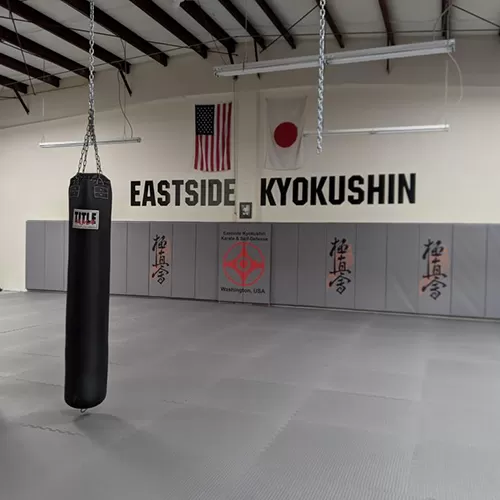
For those who own a dojo or other type of martial arts studio, protective mats on the walls are a must-have safety feature. Students performing throws and grappling need protection, should they crash into a wall.
Additionally, padding on the wall can protect the integrity of the wall. If you’re renting a martial arts studio, you don’t want students crashing into a wall and causing damage that’s costly to repair. Foam-covered walls will protect your property while also keeping athletes and students safe from injury.
Where to Place Wall Padding: Install padding on any walls that are near training or competition spaces.
Workout Room Padding
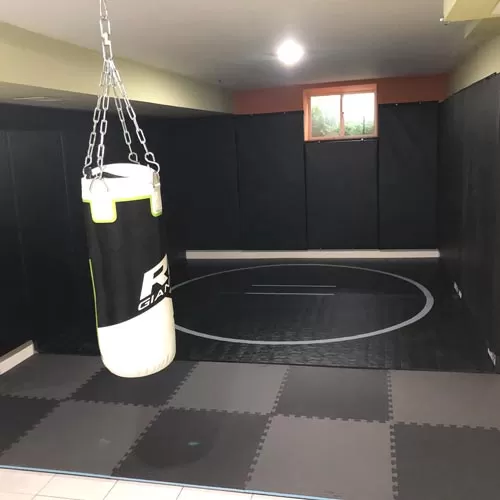
Say you want to convert a garage in the home into a workout area for any number of athletic activities. Installing padding on the walls and against posts can protect those working out in the area and reduce the noise and echo of the space.
Kids may lose their balance during workouts, making padding on the walls an important safety measure during practice.
If you’re converting a basement into a workout area, padding is a smart choice here too. Many basement layouts have support posts throughout the room. To remain safe around these posts, there are post pads made specifically for them.
Where to Install Wall Padding: Install padding on any walls and posts near and around the workout space.
Safety Padding
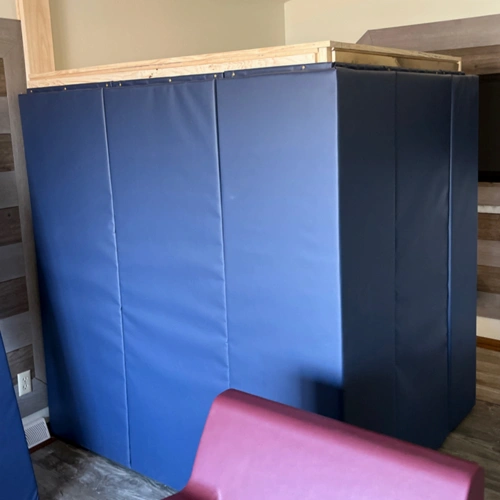
Wall padding is useful in areas not related to athletics, too. Some people choose to mount padding to the wall to create a seclusion room. Vinyl-covered foam padding protects the person inside the seclusion room, and it’s also sturdy enough to stand up to rough treatment.
You can also use pads in stage areas at a school or community playhouse. The pads can help actors complete simple stunts safely.
Wall padding is essential when creating calm rooms or sensory rooms, too. When placed on the walls, it helps keep individuals safe while in the rooms.
Where to Install Wall Padding: When outfitting a behavioral health room, calm room, or sensory room, it’s usually recommended to install padding panels on all of the walls. The same is true of a kid's bedroom or playroom; install padding on all of the walls to maximize safety.
DIY Wall Padding
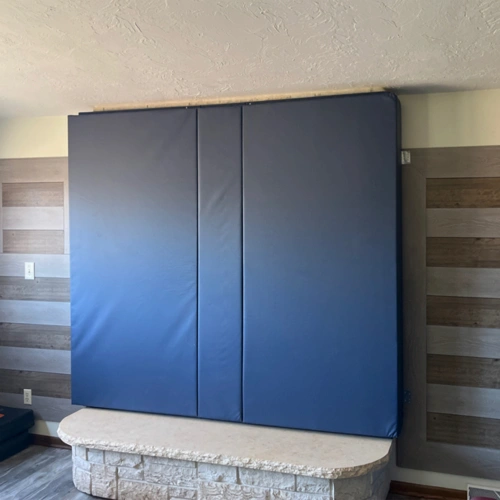
Greatmats offers dozens of styles and thicknesses of wall mats, most of which you can install yourself. With the majority of styles of wall padding, all of the hardware required for installation is included.
Cleaning and maintenance of the safety surface is easy too. The vinyl covering over the foam will protect it, giving you long-lasting performance.
To save a bit of money with DIY padding, some customers choose to use a foam puzzle tile or a folding gym mat product. These mats are nice for home and have temporary padding that you can hang and remove as needed.
Mounting this padding to the wall provides a bit of protection against people crashing into it, but not to the same level as dedicated gym wall padding. These DIY pad options work nicely for a child’s playroom where kids like to wrestle or play roughly.