Top 5 Basement Workout Room Flooring Options
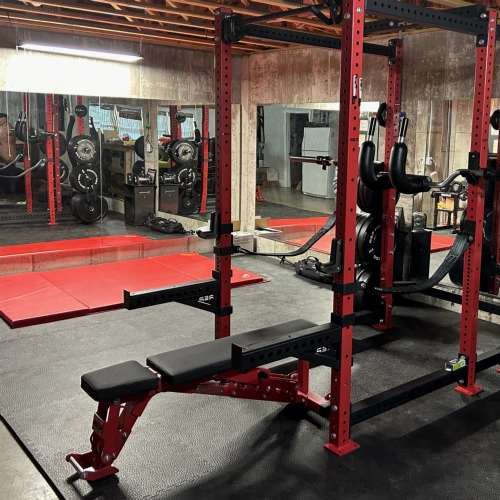
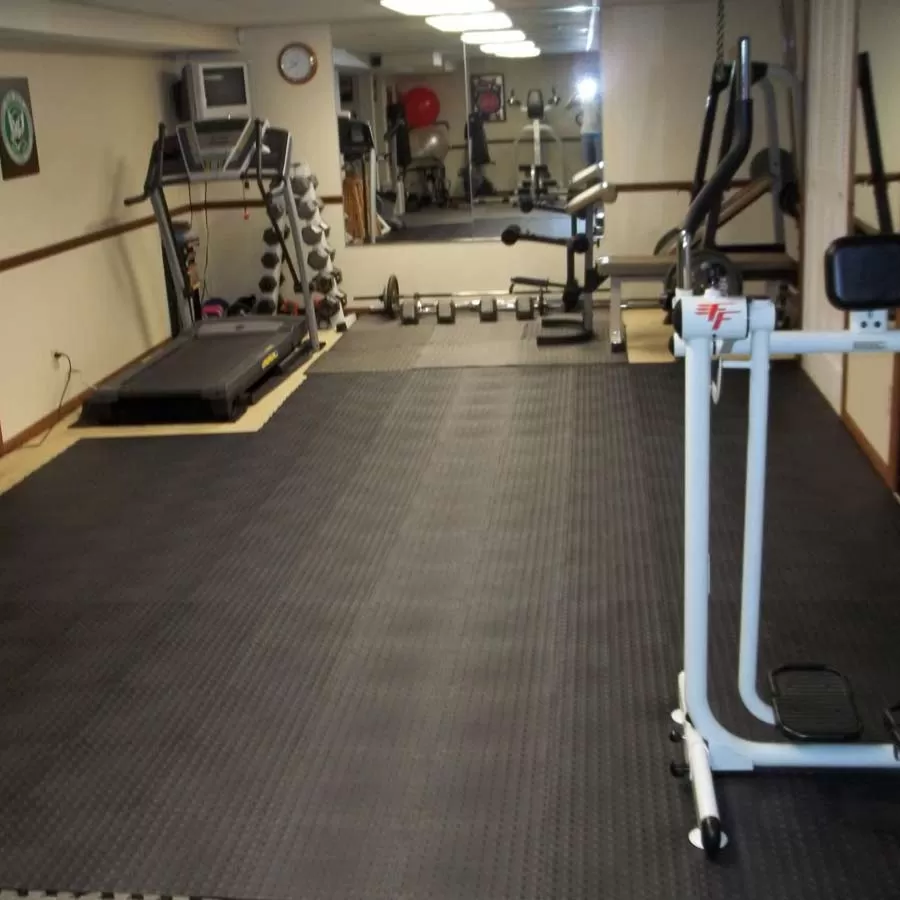
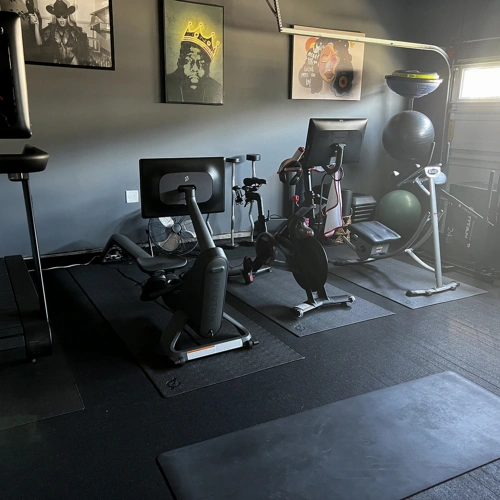
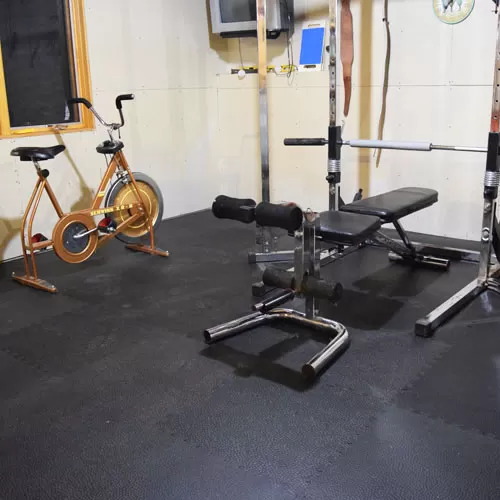
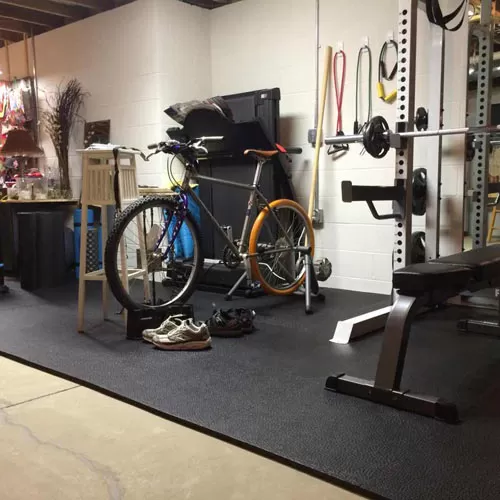
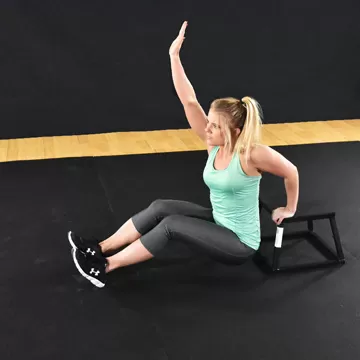
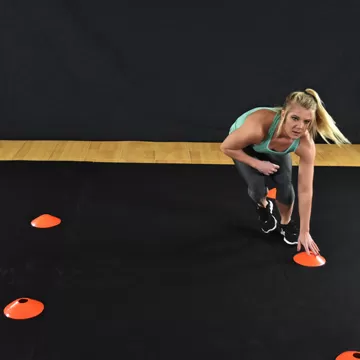
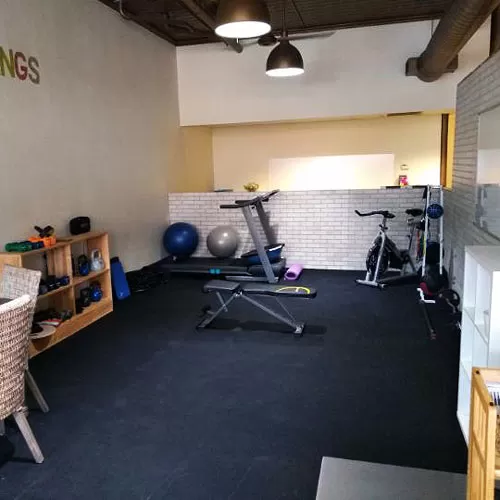
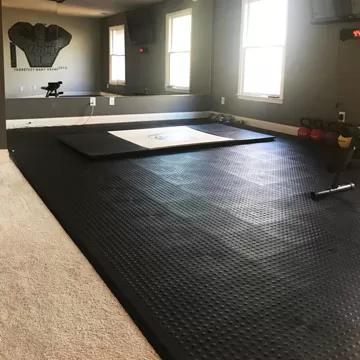
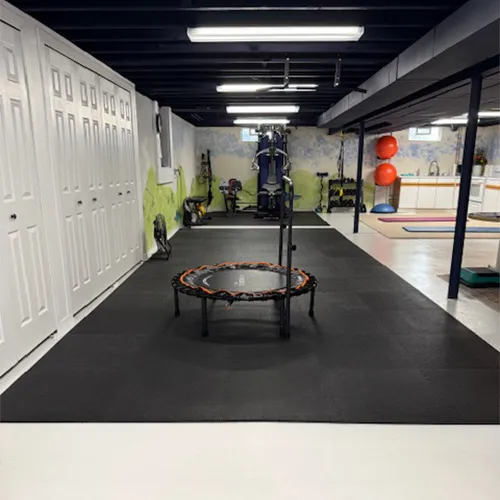
Related Product: Max Tile Raised Floor Tile 5/8 Inch x 1x1 Ft.
To help guide you in making the right basement gym flooring decision, Greatmats compiled a list of the top five basement floors ideal for exercise areas. Read on to discover details about all five workout room flooring products.
1. Max Tile Workout Room Flooring
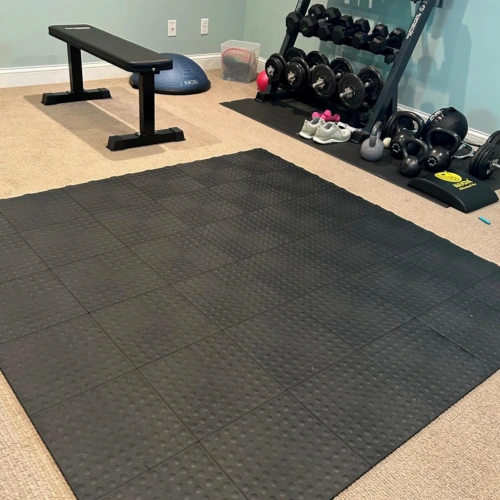
If you are looking for a solution for a moisture-heavy basement exercise area (high humidity locations, hot yoga rooms, etc.), Max Tile Raised Flooring is an excellent solution. These raised tiles prevent moisture from becoming trapped and building up below flooring because air can flow underneath the raised base.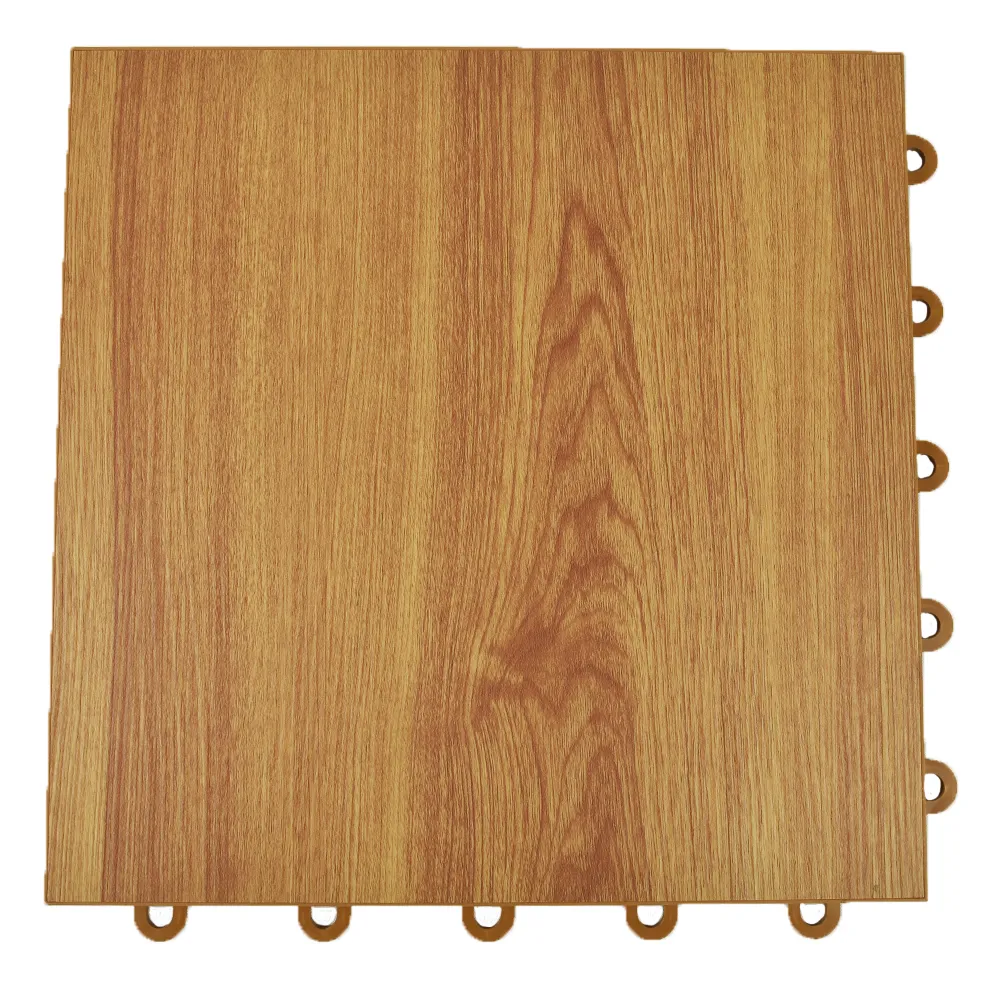
Max Tiles are made of a sturdy polypropylene base that supports a 3 mm thick vinyl surface top that never needs refinishing. The vinyl surface comes in 6 different colors and designs, so your basement exercise room can achieve the lovely look of wood. The 15-year, 0.03 mm surface wear layer protects flooring from natural wear and tear.
This basement gym flooring works well as a dance floor, yoga floor, and aerobics floor. The tiles are waterproof and resistant to scuffs and marks. When tiles do get dirty, they can be cleaned with just a damp mop. Max raised tiles connect together with a tab and loop system that will never fail. For extra cushion or insulation, simply install rolled rubber underlayment beneath tiles. They're even safe to install over low-pile carpeting.
2. StayLock Bump Top Workout Room Flooring
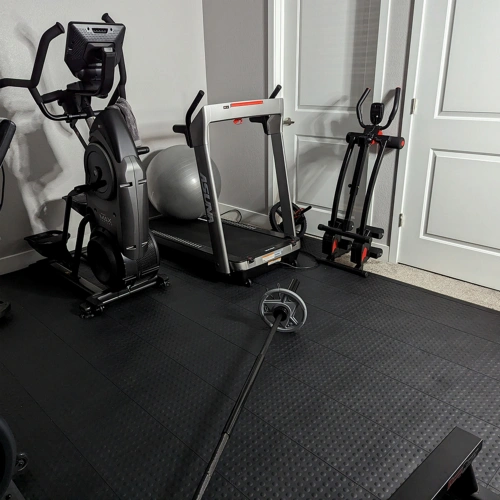
Achieve the durability of rubber and the cushion of foam with StayLock Bump Top basement gym flooring. Tiles are tough enough to withstand and support heavy weights and exercise equipment. At the same time, tiles provide superior cushion and bounce support for intense aerobic activities. Further, StayLock Bump Top Tiles fight off moisture problems because they are raised and completely waterproof.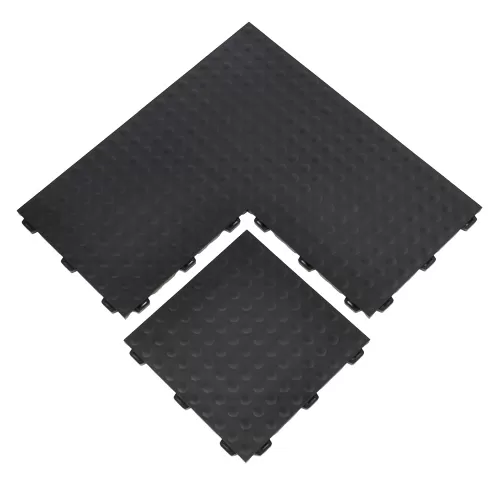
This workout room flooring product is made from 100 percent recycled PVC plastic and may contribute to LEED building points. The typical lifespan of these tiles is 20 years. Even over all that time, the tiles will stay tight-fitting and will not shift or separate whether installed over concrete or carpet. These tiles are moisture-resistant and are easy to clean. All maintenance calls for is a damp mop with a general household cleaner (avoid bleach).
3. Plyometric Rubber Roll for Plyo Exercises
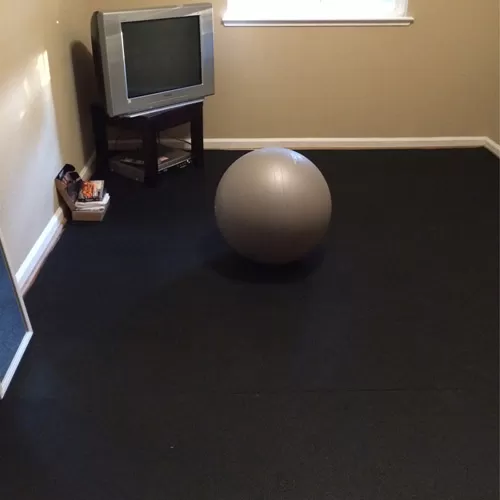
This rubber flooring for basements is a go-to choice for high-quality yet economic basement gym flooring over concrete. Plyometric Rubber Rolls are long-lasting and tough, and at such a low price, they pay themselves off in no time. Plyometric rubber basement flooring is specifically designed to absorb the shock of explosive movements in a rigorous workout, which makes it great for aerobics and plyometric exercise.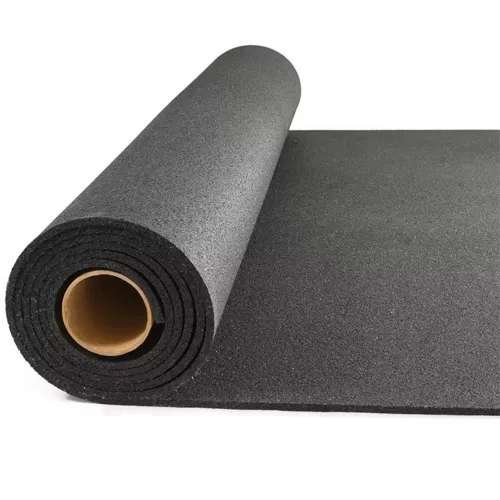
Plyo Rolls are made of lower-density rubber, which provides more cushion and shock absorption than other rubber options. This rubber workout room flooring for basements comes in many different thicknesses, and standard rolls are 4 feet wide. Lay rolls side by side for wider flooring, or cut rolls down with a sharp utility knife to fit smaller spaces. Plyometric rubber basement flooring can be laid without the use of any adhesives. For home basements, this comes in handy if ever a need arises to dry out the subfloor. If mopping with product, make sure to always use a pH-neutral cleaner with rubber flooring. Otherwise, rubber basement flooring can just be vacuumed.
4. Home Sport and Play Mat for Soft Flooring
Home Sport and Play Mats are made from a soft EVA foam. These interlocking mats are 3/4 inches thick, providing a cushioning floor. Tiles have a a thatch surface texture to minimize the danger of slips and falls. They also have sound-dampening qualities, which is a plus for any type of exercise.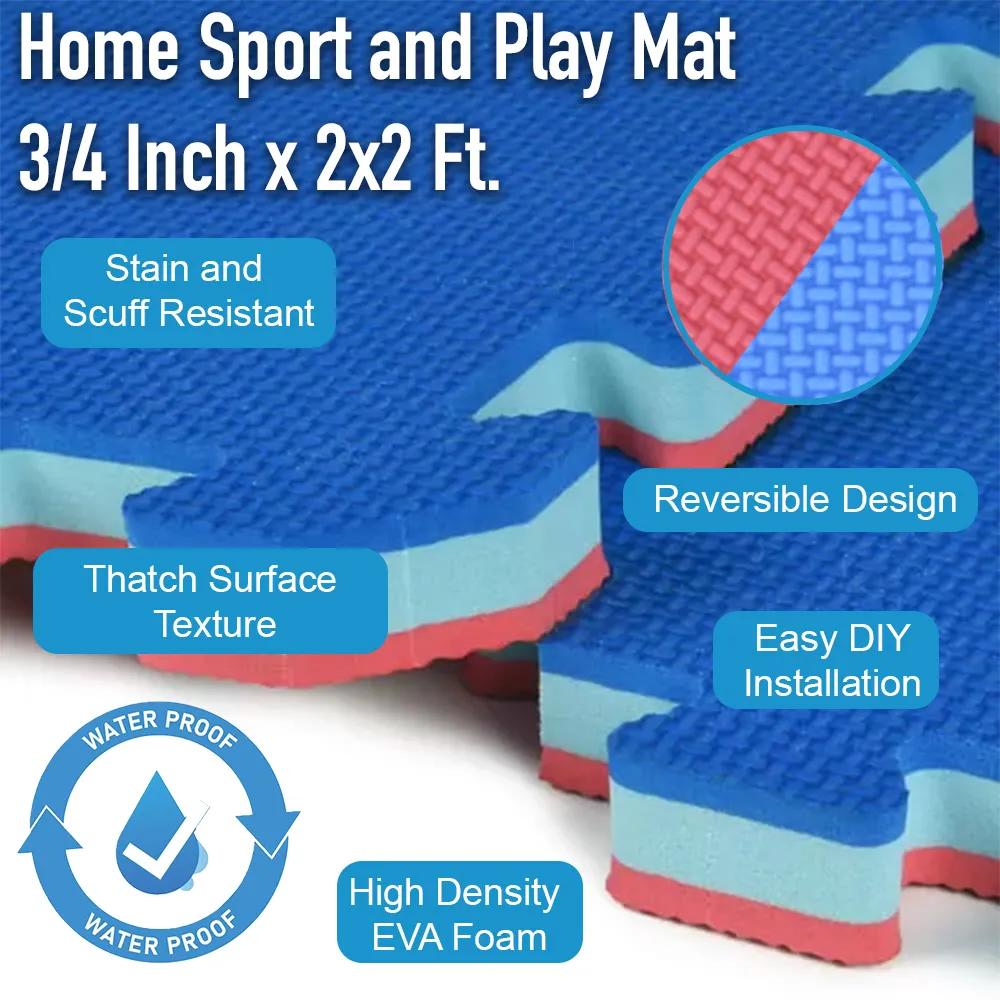
This is a good choice for people looking for something soft and comfortable. It's an excellent choice for boxing and martial arts including karate, taekwondo, and other striking arts. People also love this mat for yoga and other floor exercises. With the interlocking connection system, installation and deinstallation of flooring is a breeze.
Due to the softness of the EVA foam in this mat, it's not an ideal choice for heavy exercise equipment.
5. Gym Floor Tile Pebble Top Workout Room Flooring
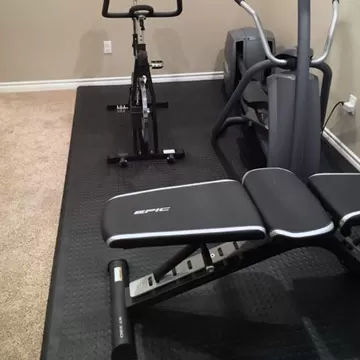
Sometimes, foam is not dense enough to withstand the weight of heavy exercise equipment without being damaged. Gym Floor Pebble Top Tiles, however, are made of premium EVA (ethylene vinyl acetate) foam that is denser and more durable than other foam tiles. The pebble surface pattern contributes to the durability of the foam as well. Consequently, they can support the weight of weight machines, treadmills, or any other exercise equipment. These tiles are about as close as one can get to rubber basement flooring without the rubber.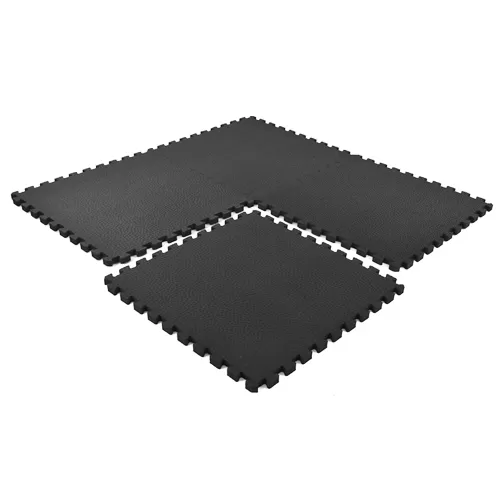
Gym Floor Pebble Top Tiles provide more cushion and are lighter weight than rubber, which is why some people choose these foam tiles over their rubber counterpart. These tiles do not absorb water at all, which is another perk, especially for basement gym flooring. The tiles are kid-friendly, connect with an easy interlocking system, and can be easily cut down with a box cutter or utility knife.
If you prefer temporary workout room flooring, you may want to check out our folding or rollout foam mats.