Where Do I Find Acid Resistant Floor Tiles?


Related Product: Wearwell 24/Seven CFR Perforated 3x3 Ft Mat
Why Is Acid Resistant Flooring Important?
Certain chemical compounds can cause flooring materials to wear away prematurely, leading to greater cost for replacements and harming your business’ bottom line. If you choose acid-resistant flooring, that product helps protect your subfloor from damage, which prevents unnecessary costs of replacement in the future.The best acid-resistant floor tiles will be inert, meaning they do not react to chemicals, such as boric and sulfuric acids. The corrosive damage from the chemicals could occur instantly, such as with a highly acidic substance or with hydrochloric acid. Other times, the corrosion may occur slowly over time, eventually ruining the flooring.
Vinyl and some rubber tiles made to be resistant to corrosive, acidic, or caustic chemicals and substances will not absorb other liquids either.
Additionally, these tiles should consist of a single layer that has a dense design. With this type of design, even if the floor has a slight gouge or crack in it, it will retain its resistance to chemicals.
If the acid-resistant floor tiles rely on a special coating or multiple layers in the construction, a gouge or tear could negate the ability of the tile to resist damage from the chemicals.
What Are the Best Chemical-Resistant Rubber Flooring Options?
At Greatmats, we have an excellent selection of acid-resistant flooring products suitable for commercial and industrial settings. We've highlighted some of the best product options to help you get started.Wearwell 24/Seven CFR Perforated 3x3 Ft Mat
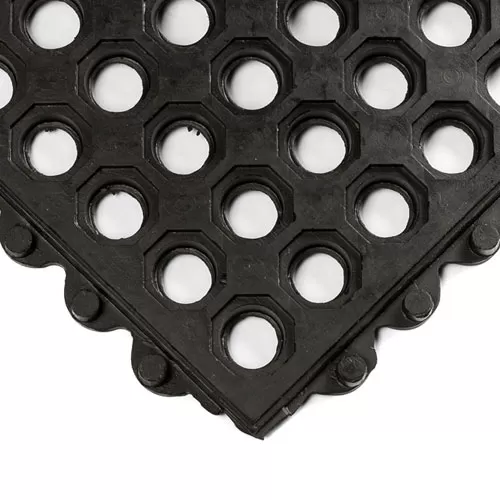
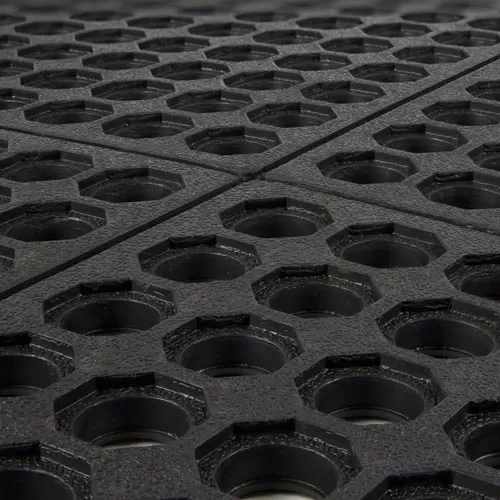
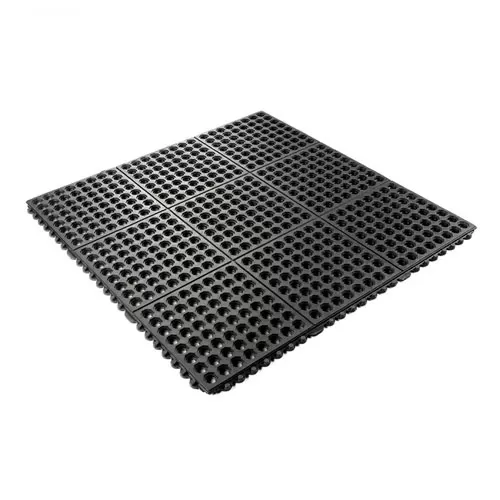
Rubber is a highly durable material that resists damage from acids and corrosive chemicals. The Wearwell 24/Seven CFR Perforated 3x3 Ft Mat features perforations that allow chemicals and acids to drain through to the subfloor. The holes extend through the entire ⅝-inch thickness of the mat, allowing spills to drain away.
This mat is designed specifically for dry, wet, or oily workstations where mineral oil-based fluids are used, and it’s resistant to cutting fluids. Hidden interlocks hold the mats tightly together, and they also offer valuable fatigue relief, ideal for areas where staff will be standing for long periods of time.
Wearwell ErgoDeck Smooth 18x18 Inch Tile
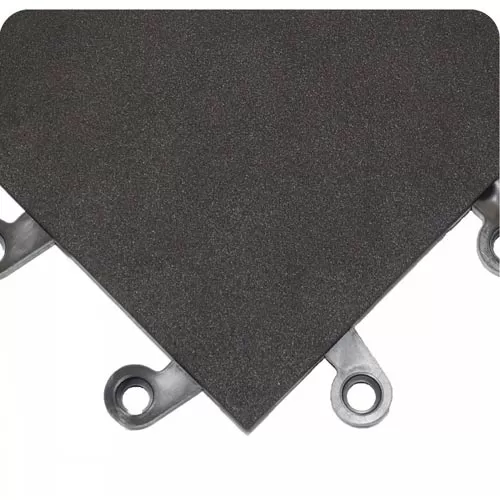
If you need durable flooring in areas where you need to navigate with carts, the Wearwell ErgoDeck Smooth 18x18 Inch Tile offers a versatile solution. These silicone-free PVC tiles feature a light texture, making them accessible with carts. The tiles offer a combination of cushioning and firm support, and they won’t deform when placed under pressure.
The tiles are chemical-resistant and are suitable for manufacturing, assembly, industrial, and automotive manufacturing settings. The modular tiles have a LockSafe interlocking system that holds them together securely, but they’re also easy to remove and replace if needed.
Wearwell ErgoDeck HD Open Black 18x18 Inch Tile

Ideal for wet areas, the Wearwell ErgoDeck HD Open Black 18x18 Inch Tile features an open grid design to quickly drain away liquids. Though the tiles are perforated, they also feature a firmer surface that supports heavy cart traffic, making them a versatile choice for industrial, manufacturing, and food processing facilities. The PVC tiles are highly durable and feature an underside box-spring design for extra structural support.
The tiles have a positive interlocking system to keep them securely connected and prevent separation. As needed, you can replace individual tiles.
G-Floor Ribbed Tread Vinyl Multipurpose Roll
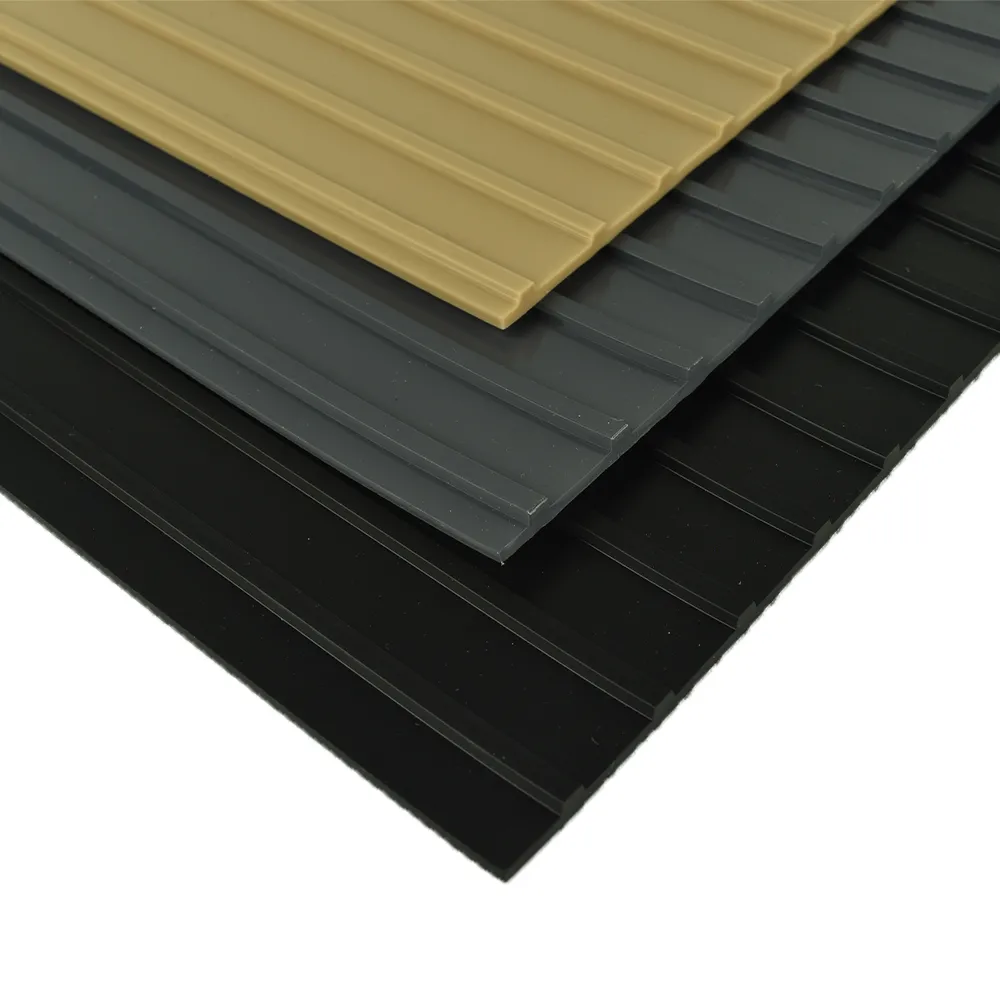
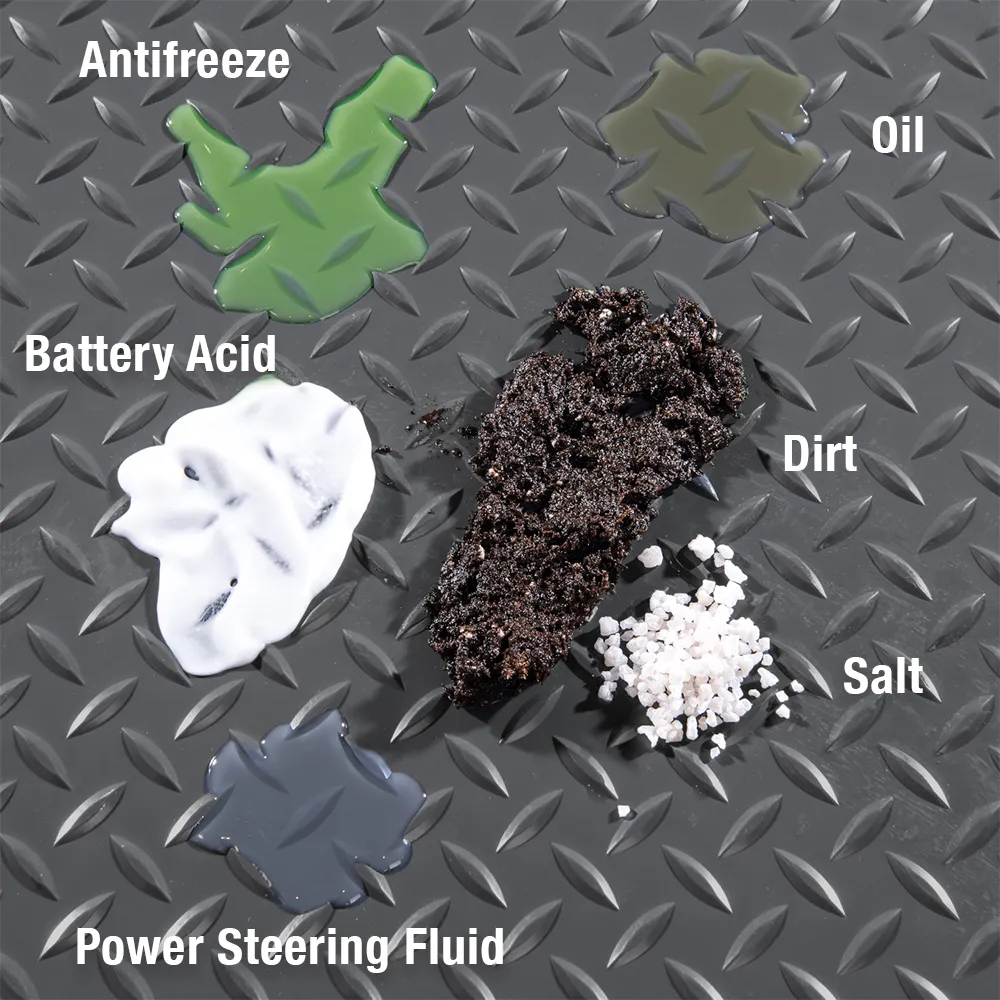
Ideal for garages, kennels, storage areas, laundry rooms, and more, the G-Floor Ribbed Tread Vinyl Multipurpose Roll is a highly versatile mat. Crafted from PVC vinyl, it’s completely waterproof and features a ribbed texture for extra slip resistance. The mat is extremely durable and helps protect your subfloor from salts, oil, gas, battery acid, brake fluid, antifreeze, detergent, mud, and more.
Often used as a concrete garage floor covering, the mat is strong enough to withstand the weight of a car. It lies flat once installed and can be easily trimmed to fit around objects.
G-Floor Diamond Tread Vinyl Multipurpose Roll

The G-Floor Diamond Tread Vinyl Multipurpose Roll is a highly durable flooring roll crafted from waterproof PVC vinyl. The flooring is resistant to staining and easy to clean, perfect for adding an acid-proof covering to your existing flooring. The diamond texture adds slip resistance for extra safety. This versatile flooring roll can be used in garages, basements, storage areas, laundry rooms, kennels, man caves, and more.
Designed for practicality and safety, the vinyl flooring is easy to install. It also adds an appealing aesthetic to your space. The flooring can be easily cleaned with vinyl flooring cleaner or mild detergent for simple maintenance.
Choose Greatmats for Acid Resistant Flooring
We’re proud to offer an excellent selection of acid-resistant flooring at Greatmats. Whether you’re looking for a product to protect your kitchen subfloor against grease or you need flooring that can withstand exposure to common chemicals in your garage, we have products that will suit your needs.Contact us today to learn more. We're happy to help you find the best product for your unique situation and project.