Rubber Flooring vs. Vinyl Flooring




Related Product: Rolled Rubber Sport 3/8 Inch Regrind Per SF
Comparing Rubber Flooring Vs. Vinyl Flooring
Both rubber and vinyl flooring are highly popular options, and they’re both durable, comfortable, and versatile. The difference between vinyl vs. rubber flooring really lies in the details, and this comparison should help you better understand the two flooring types.Rubber Flooring
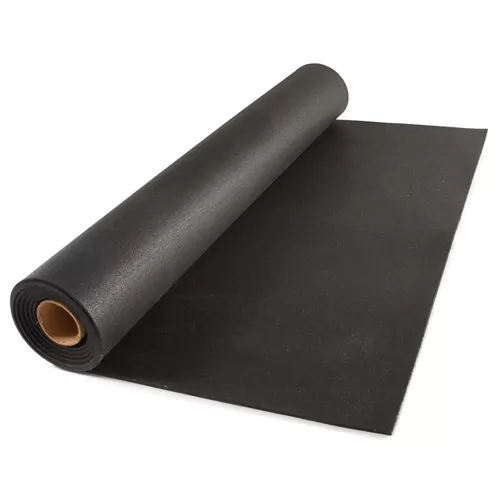
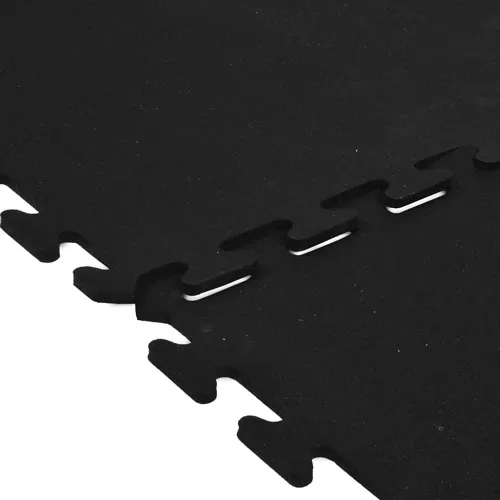
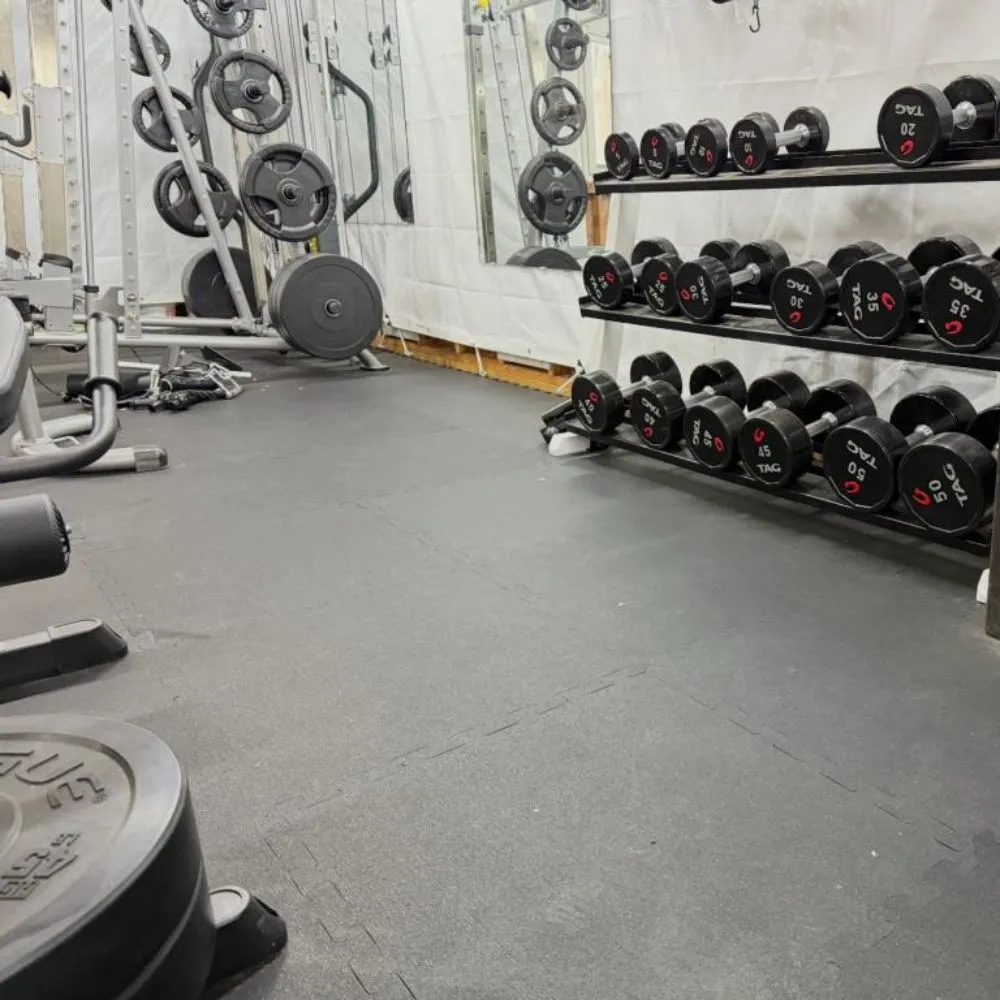
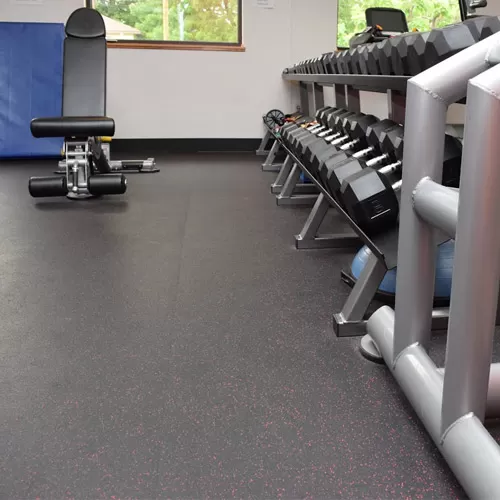
Common rubber flooring styles include rubber floor mats, rolls, and tiles. Rubber is a popular choice for commercial settings, like gyms and kennels, because of its excellent durability. Rubber is also supremely strong, so it can be placed underneath heavy furniture or even gym equipment.
Rubber is naturally slip-resistant because of its texture, so it’s an ideal choice for enhancing safety. Its shock absorption can help protect a subfloor, such as when you’re dropping weights in a gym, and it also makes rubber fairly comfortable underfoot.
Installation requirements will depend on the type of rubber flooring you’re using. Interlocking tiles fit together tightly and can be dry-laid. Rubber mats also tend to stay in place well when dry-laid because of their size and weight. Some rubber rolls may be dry-laid, while others may need to be glued down.
Pros:
- Highly durable
- Capable of absorbing impacts and protecting subfloors
- Naturally slip-resistant
- Strong enough for use under furniture or gym equipment
Cons:
- Usually has a higher cost than vinyl
- Available in limited colors and styles
- Some installations require adhesive and are best suited for professionals
- Difficult to repair after being damaged
Vinyl Flooring
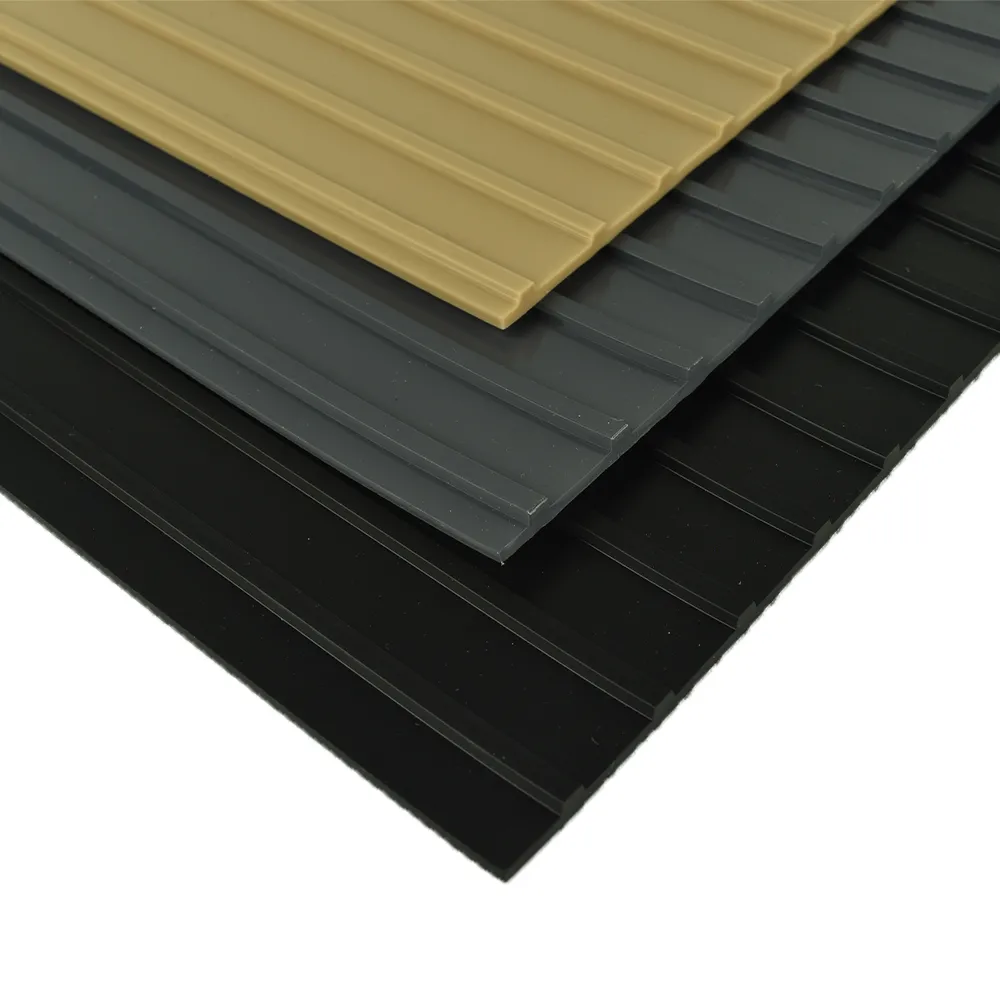
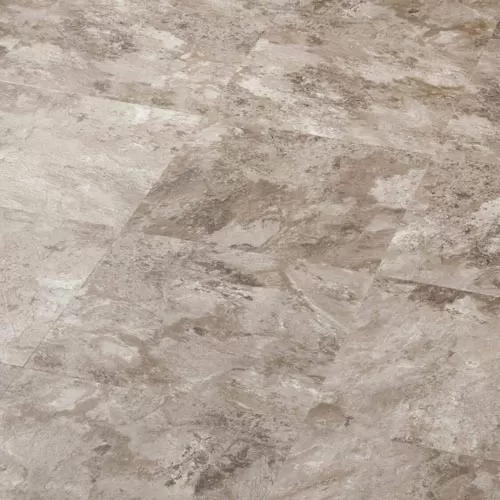
Common vinyl flooring styles include sheet vinyl, planks, and peel-and-stick tile or plank options. Vinyl is a highly durable flooring type, and it’s available in many different finishes, including finishes that resemble luxury materials.
Vinyl flooring is known for its excellent durability, including its resistance to scratches and stains. Vinyl flooring often features a wear layer for enhanced resistance, making it a long-lasting flooring choice even when installed in high-traffic areas. Vinyl flooring is often comfortable underfoot, so it’s a popular choice for homes, but its durability makes it versatile enough for commercial spaces, too.
You’ll find a wide selection of vinyl products available, including sheet vinyl, which often requires a professional installation. Vinyl planks feature a distinctive look and may or may not need a professional installation. Some planks and tiles are available in a peel-and-stick design, which is DIY-friendly.
Pros:
- Durable and highly resilient, often suitable for high-wear areas like a kitchen or bathroom
- Lots of design versatility
- Water-resistant
- Tend to be comfortable underfoot
Cons:
- Not sustainable or environmentally friendly
- May expand or shrink when exposed to sunlight
- Lacks natural slip resistance
How to Choose Between Rubber Flooring vs. Vinyl Flooring
When comparing vinyl vs. rubber flooring, consider your goals for your project, as well as your budget. Think about which flooring features are most important, whether you need a very strong flooring product or a highly durable product suitable for high-traffic areas.This is also the time to consider the aesthetic you’re looking for. You’ll find more variety with vinyl products, but rubber is available with some color variations, too.
Additionally, consider the style of product that’s best for your needs. Planks and tiles tend to be easier to transport and install yourself, but flooring rolls or sheets may be ideal if you’re going to be covering a large surface.
Finally, consider the installation method and cost. Both rubber and vinyl flooring products support a DIY installation, but certain products need a professional installation, which will add to your overall project costs.
| Rubber Flooring | Vinyl Flooring | |
|---|---|---|
| Price | Usually more expensive than vinyl | Usually less expensive than rubber |
| Styles | Mats, rolls, tiles | Planks, sheets, peel and stick |
| Best Use Types | Gyms, dog kennels, healthcare facilities, industrial spaces | Living rooms, kitchens, bathrooms, offices, basements |
| Durability Level | High, slightly more durable than vinyl | High, slightly less durable than rubber |
| Water Resistance | Usually water-resistant | Water-resistant |
| Maintenance and Cleaning | Easy and minimal | Easy and minimal |
| Installation Methods | Dry lay or installation with adhesive | More DIY friendly |
| Sustainability | Often made from recycled materials | Less sustainable because of the use of petroleum-based materials |